
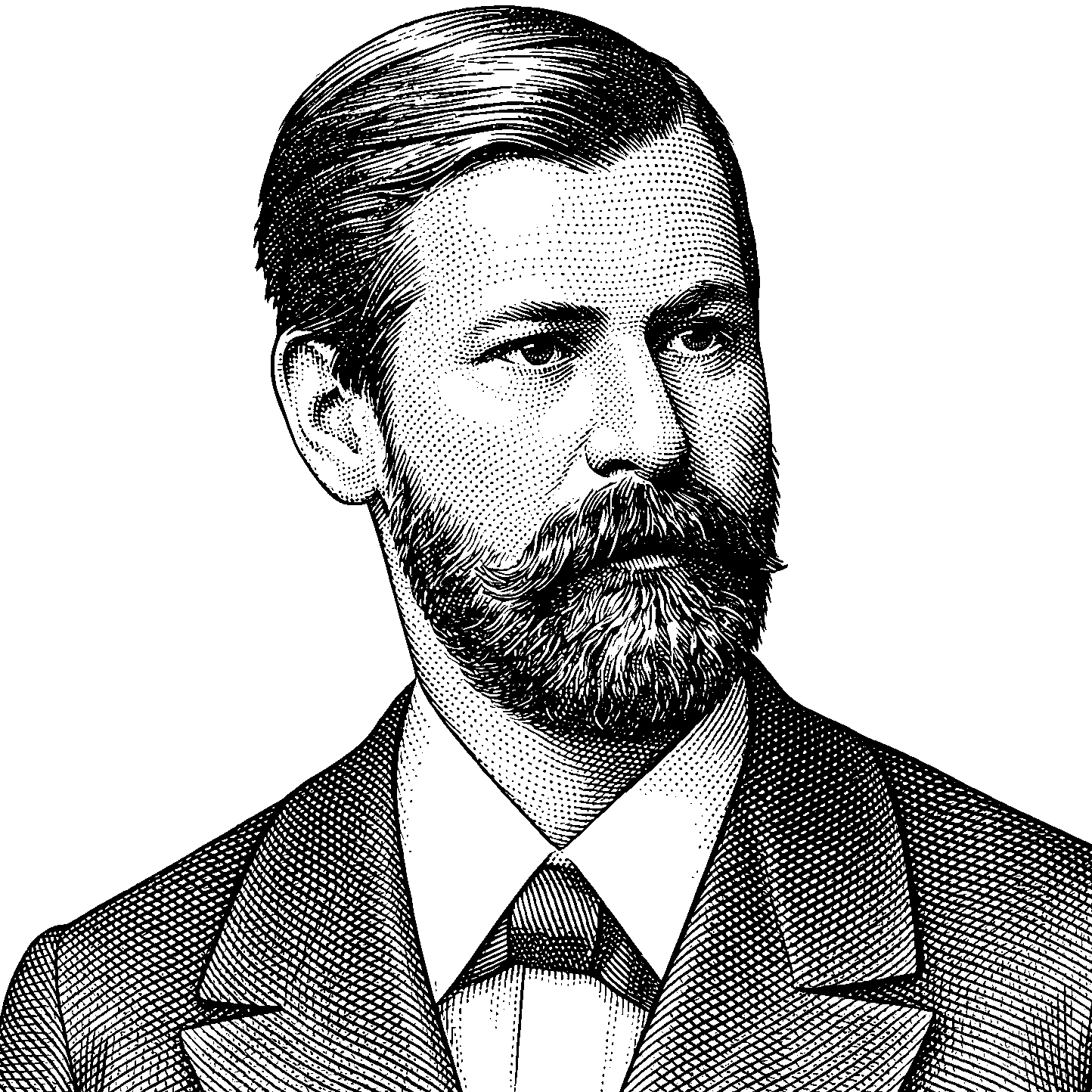
Sigmund Freud
It seems certain that we do not feel comfortable in our present-day civilization, but it is very difficult to form an opinion whether and in what degree men of an earlier age felt happier and what part their cultural conditions played in the matter. . . .
It is time for us to turn our attention to the nature of this civilization on whose value as a means to happiness doubts have been thrown. We shall not look for a formula in which to express that nature in a few words, until we have learned something by examining it. We shall therefore content ourselves with saying once more that the word ‘civilization’ describes the whole sum of the achievements and regulations which distinguish our lives from those of our animal ancestors and which serve two purposes—namely to protect men against nature and to adjust their mutual relations. In order to learn more, we will bring together the various features of civilization individually, as they are exhibited in human communities. In doing so, we shall have no hesitation in letting ourselves be guided by linguistic usage or, as it is also called, linguistic feeling, in the conviction that we shall thus be doing justice to inner discernments which still defy expression in abstract terms.
The first stage is easy. We recognize as cultural all activities and resources which are useful to men for making the earth serviceable to them, for protecting them against the violence of the forces of nature, and so on. As regards this side of civilization, there can be scarcely any doubt. If we go back far enough, we find that the first acts of civilization were the use of tools, the gaining of control over fire and the construction of dwellings. Among these, the control over fire stands out as quite extraordinary and unexplained achievement, while the others opened up paths which man has followed ever since, and the stimulus to which is easily guessed. With every tool man is perfecting his own organs, whether motor or sensory, or is removing the limits to their funtioning. Motor power places gigantic forces at his disposal, which, like his muscles, he can employ in any direction; thanks to ships and aircraft neither water nor air can hinder his movements; by means of spectacles he corrects defects in the lens of his own eye; by means of the telescope he sees into the far distance; and by means of the microscope he overcomes the limits of visibility set by the structure of his retina. In the photographic camera he has created an instrument which retains the fleeting visual impressions, just as a gramaphone disc retains the equally fleeting auditory ones; both are at bottom materializations of the power he possesses of recollection, his memory. With the help of the telephone he can hear distances which would be respected as unattainable even in a fairy tale. Writing was in its origin the voice of the absent person; and the dwelling-house was a substitute for the mother’s womb, the first lodging, for which all mankind still longs, and in which he was safe and felt at ease.
These things that, by his science and technology, man brought about on this earth, on which he first appeared as a feeble animal organism and on which each individual of his species must once more make its entry (‘oh inch of nature!”) as a helpless suckling—these things do not only sound like a fairy tale, they are an actual fulfillment of every—or of almost every—fairy-tale wish. All these assets he may claim to as his cultural acquisition. Long ago he formed an ideal conception of omnipotence and omniscience which he embodied in his gods. To these gods he attributed everything that seemed unattainable to his wishes, or that was forbidden to him. One may say, therefore, that these gods were cultural ideals. To-day he has come very close to the attainment of this ideal, he has almost become a god himself. Only, it is true, in the fashion in which his ideals are usually attained according to the general judgment of humanity. Not completely; in some respects not at all, in others half way. Man has, as it were, become a kind of prosthetic God. When he puts on all his auxillary organs he is truly magnificent; but those organs have not grown on to him and they still give him much trouble at times. Nevertheless, he is entitled to console himself with the thought that this development will not come to an end in the year 1930 A.D. Future ages will bring with them new and probably unimaginably great acvances in this field of civilization and will increase man’s likeness to God still more. But in the interests of our present investigation, we will not forget that present-day man does not feel happy in his Godlike character.